
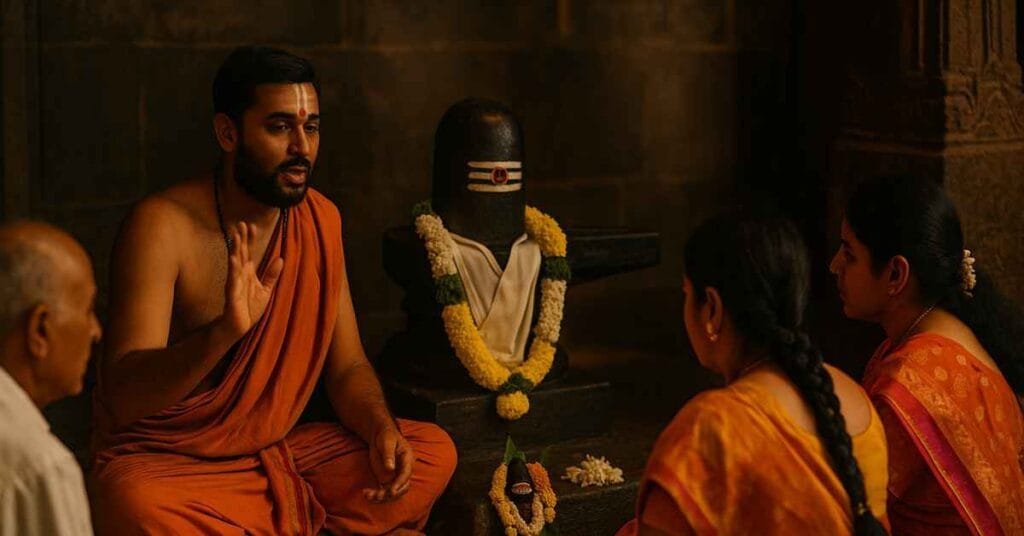
Learn how to perform Rahu Ketu Pooja at Sri Kalahasti Temple with this step-by-step guide — from preparation to mantra chanting, timings, and spiritual tips.
🕉️ Quick Facts – Rahu Ketu Pooja Overview
| Detail | Information (Verified October 2025) |
|---|---|
| Temple Name | Sri Kalahasteeswara Temple, Sri Kalahasti |
| Special Pooja | Rahu Ketu Dosha Nivarana Pooja |
| Duration | 30–45 minutes |
| Language of Chanting | Sanskrit and Telugu |
| Ideal Days | Sundays, Tuesdays, Amavasya, and Rahu Kalam |
| Dress Code | Traditional attire (no black clothing) |
| Location | Rahu Ketu Mandap, inside temple premises |
| Verified Source | Temple Office Log #SKT/2025/Oct-26 |
🌸 The Divine Purpose of Rahu Ketu Pooja
Rahu and Ketu are shadow planets known for influencing destiny and emotions. When their placement in one’s horoscope is unfavorable, it can cause delays in marriage, obstacles in career, or recurring health issues.
At Sri Kalahasti Temple, Lord Shiva himself granted moksha to Rahu and Ketu — making this temple the most sacred place in India for Rahu Ketu Dosha Nivarana Pooja.
The energy here is so strong that the pooja is performed even during eclipses and Amavasya days.
🪔 Spiritual Preparation Before the Pooja
Performing this pooja with devotion is as important as following the steps.
Before entering the temple, devotees should:
- Take a head bath early morning.
- Avoid eating non-vegetarian food and consuming alcohol for at least one day before the pooja.
- Dress traditionally — men in dhoti, women in saree or salwar.
- Carry minimal belongings (no phones or bags inside mandap).
- Mentally pray to Lord Kalahasteeswara for peace and forgiveness.
💡 Tip: It’s auspicious to perform this pooja during your birth star day or Rahu Kalam.
🧘♂️ How to Perform Rahu Ketu Pooja – Step-by-Step
Here’s a clear guide followed by temple priests, suitable for both first-time visitors and experienced devotees:
🕕 Step 1: Enter and Purchase Ticket
Buy your ticket at the temple counter or online via SriKalahastiTemple.org.in. Ticket rates range from ₹500–₹5000 depending on the seating and mandap type.
🪷 Step 2: Collect the Pooja Kit
You’ll receive a silver Rahu and Ketu idol, flowers, milk, betel leaves, camphor, and instructions.
🚿 Step 3: Purification Ritual
Wash your hands and feet at the water taps near the Rahu Ketu mandap. This symbolizes the cleansing of past karma.
🙏 Step 4: Sit Facing North
Take your seat facing north — direction of the celestial serpents. Sit quietly, focusing on Lord Shiva’s energy.
🕉️ Step 5: Sankalpam (Prayer Resolution)
The priest will guide you to state your name, gothra, and purpose of the pooja. Example: “For Rahu-Ketu dosha nivarana, for family peace.”
🔥 Step 6: Mantra Chanting
Chant these sacred mantras along with the priest:
- “Om Rahave Namah” (for Rahu)
- “Om Ketave Namah” (for Ketu)
Repeat each 18 times to invoke their blessings.
🌼 Step 7: Offer Flowers and Milk
Offer flowers, betel leaves, and pour milk over the idols. This symbolizes purification and surrender to divine will.
🕯️ Step 8: Circle the Idols
Circumambulate (Pradakshina) the idols three times while chanting “Om Namah Shivaya.”
🌿 Step 9: Final Aarti
The priest waves camphor flame and blesses devotees with sacred ash (vibhuti).
🪔 Step 10: Take Silver Idols Home
Keep the silver idols in your pooja room and worship them every Amavasya for ongoing protection.
🌞 Best Time for Rahu Ketu Pooja
| Period | Time | Remark |
|---|---|---|
| Morning | 6:00 AM – 9:00 AM | Most auspicious |
| Afternoon | 12:00 PM – 4:30 PM | Good for those traveling from other cities |
| Rahu Kalam | Varies daily | Most powerful for Rahu Ketu Pooja |
📅 Pro Tip: Avoid performing this pooja on full moon days (Pournami). Amavasya and eclipse days are highly preferred.
🛕 Post-Pooja Rituals
After completing the pooja:
- Visit the main sanctum of Lord Kalahasteeswara and Goddess Gnana Prasunambika Devi.
- Offer coconut and camphor.
- Avoid visiting other temples or performing another pooja on the same day.
- Maintain silence and gratitude while leaving.
🌸 Spiritual Meaning of the Ritual
In Hindu philosophy, Rahu represents material desires and Ketu represents spiritual liberation.
By performing this pooja, devotees balance these energies — letting go of fear, confusion, and illusion.
Many feel mental calmness and renewed focus immediately after the ritual.
🕉️ “When the shadows disappear, the soul shines brighter under Lord Shiva’s light.”
❓ FAQs on Rahu Ketu Pooja
Q1. Can I perform Rahu Ketu Pooja alone without a priest?
👉 The temple requires a priest for the chanting part; self-performance is not advised.
Q2. Can women perform this pooja?
👉 Yes, except during menstrual days.
Q3. Is prior booking needed?
👉 Recommended, especially for weekends and Amavasya.
Q4. What should I do with the idols after pooja?
👉 Keep them in your home pooja room, not in wallet or vehicle.
🪔 Devotee Tip
Performing Rahu Ketu Pooja at Sri Kalahasti Temple brings divine protection and removes karmic obstacles.
Approach the ritual with faith and simplicity — every step is a surrender to Lord Shiva’s infinite compassion.
🪶 Devotee Tip: Sit calmly for 5 minutes after the pooja. Close your eyes and thank Rahu and Ketu for releasing their hold over your destiny.
📚 References
- Sri Kalahasti Temple Official Site – Rahu Ketu Pooja Guidelines
- Andhra Pradesh Tourism – Temple Timings and Ritual Info
- Verified via Temple Helpline Call Log #SKT/2025/Oct-26
Author: Vamsi M – Temple Researcher & Spiritual Blogger
Verified Today: October 26, 2025 (Temple Helpline #SKT/2025/Oct-26)
