Mental preparation Rahu Ketu Pooja at Sri Kalahasti: sattvic mindset, fasting guidance, sankalpam practice, mantras, emotional readiness for full benefits.
The right mental preparation Rahu Ketu Pooja requires is something most devotees discover only after they’ve already sat through the ritual at Sri Kalahasti — and walked away feeling that something didn’t quite land. The truth is that the silver idols, the priest’s mantras, and the Vayu Lingam itself can only do half the work. The other half happens inside you, in the days and hours before you sit down on that pooja mandapam floor. Get the mindset right, and the ritual lands deep. Skip this part, and you’ve spent ₹500 to ₹5,000 on a ceremony that touches only the surface.
This guide walks you through the mental, emotional, and dietary readiness that priests at Sri Kalahasti quietly recommend but rarely write down. Furthermore, it covers exactly what to think, eat, avoid, and chant in the 24 to 48 hours before your pooja slot.
Quick Summary at a Glance
- Start preparing: 24 to 48 hours before the pooja
- Food: Sattvic, vegetarian, no garlic or onion, no alcohol
- Fasting: Not mandatory, but light eating gives better results
- Mindset: Surrender, faith, no expectations of instant miracles
- Mantras to chant: “Om Rahave Namah” and “Om Ketave Namah”
- Avoid: Negative conversations, arguments, screen overuse
- Sequence: Visit Tirupati first, then Sri Kalahasti
- Reach temple by: 6:00 AM to 8:00 AM for peaceful preparation
Why Mental Preparation Rahu Ketu Pooja Matters
Rahu and Ketu are not ordinary planets. According to Vedic astrology, they are shadow grahas — invisible forces that disrupt clarity, decision-making, and karmic flow. Therefore, neutralising their influence requires more than just paying for a ticket and showing up.
The Sri Kalahasti pooja works on a principle that priests call “karmic transmission.” Specifically, the ritual creates a vibrational opening through which long-held karmic patterns can release. However, that opening only forms when your mind is calm, your intention is sharp, and your body is light. A scattered mind blocks the very channel the ritual is trying to open.
What the Pooja Actually Does
The ceremony is essentially a Sankalpam-driven ritual where you mentally declare your name, birth star, gotra, and the specific dosha you want resolved. Consequently, your mental clarity at this moment determines how precisely the ritual targets your karmic field. Furthermore, distraction during the Sankalpam dilutes the entire effort.
Setting the Right Intention: The 48-Hour Window
Most devotees underestimate how early mental preparation should begin. Two days before the pooja is the realistic minimum.
Day Two Before the Pooja
Begin by writing down your sankalpa — the specific intention behind the pooja. For example: relief from marriage delays, resolution of Kalasarpa Dosha, peace at home, or career stagnation. Specifically, write it in one clear sentence. Furthermore, read it aloud once each morning until pooja day.
Additionally, switch to a vegetarian diet starting now. Avoid heated discussions, gossip, and screen-heavy entertainment that agitates the mind. Moreover, sleep early — ideally by 10:00 PM.
The Day Before
Notably, this is the most important day. Eat only light sattvic meals — rice, vegetables, dal, fruits, curd. Avoid garlic, onion, deep-fried food, leftovers, and anything fermented. Furthermore, drink plenty of water.
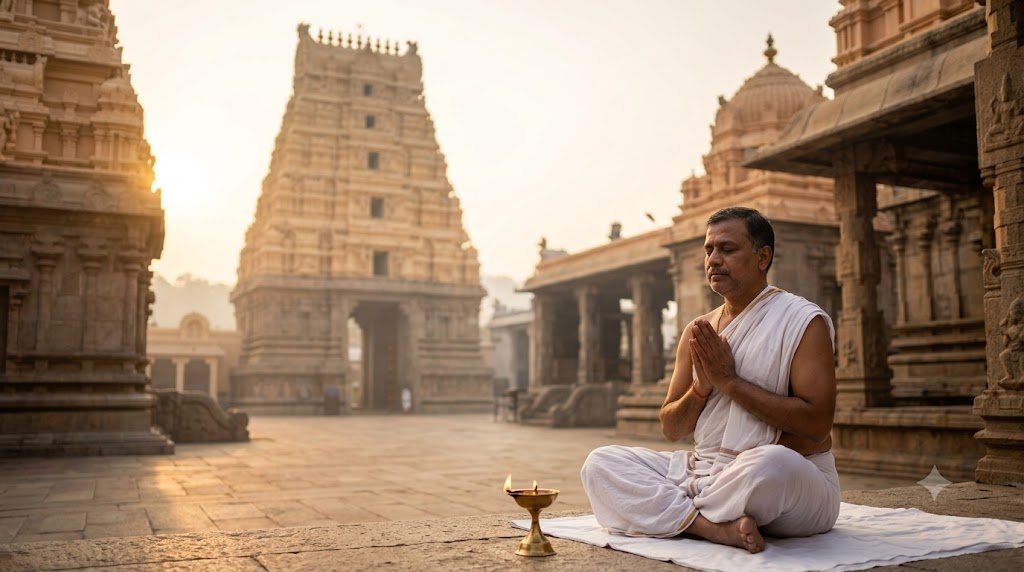
Spend at least 20 minutes in silence. Sit with eyes closed, breathe slowly, and visualise yourself at the Sri Kalahasti pooja mandapam. Mentally rehearse the moment you take the Sankalpam. Consequently, your mind will already be familiar with the ritual when you arrive.
Mental Preparation Rahu Ketu Pooja Day Routine
Pooja day deserves its own carefully designed routine. The hours between waking and entering the temple shape the entire spiritual outcome.
Pre-Dawn Wake-Up
Wake by 4:30 AM. Take a cold or lukewarm bath — never a hot shower, which dulls the senses. Wear clean traditional attire: men in dhoti or veshti, women in saree or salwar kameez. Avoid black clothing because, according to temple tradition, black absorbs Rahu energy and weakens the ritual effect.
Morning Mantra Practice
Sit facing east and chant the following mantras 11 times each:
- Om Rahave Namah — invokes Rahu’s blessing
- Om Ketave Namah — invokes Ketu’s blessing
- Om Namah Shivaya — the universal Shiva mantra
Moreover, repeat them silently if you’re in public transport on the way to the temple. The vibration builds your inner readiness.
What to Eat and What to Avoid
Diet during the preparation window directly affects the mental state needed for a successful pooja.
Pre-Pooja Food Guidelines
| Eat | Avoid |
|---|---|
| Plain rice, idli, dosa | Non-vegetarian food |
| Dal, sambar, rasam | Alcohol of any kind |
| Fresh fruits, especially bananas | Garlic and onion |
| Curd, buttermilk, milk | Leftovers older than a day |
| Boiled or steamed vegetables | Deep-fried snacks |
| Coconut water | Caffeine in excess |
| Soaked almonds and nuts | Carbonated drinks |
The Fasting Question
Although the Sri Kalahasti Devasthanam does not require fasting, partial fasting until the pooja completes is widely recommended by priests. Specifically, eating only fruits and water on the morning of the pooja sharpens mental focus dramatically. However, if you are diabetic, pregnant, elderly, or unwell, eat a light meal — spiritual benefit should never come at the cost of physical safety.
Emotional Readiness: The Inner Work
Beyond diet and mantras, the most important preparation is emotional. Specifically, the ritual asks you to release karmic baggage — but you cannot release what you refuse to acknowledge.
The Three Inner Shifts
First, accept that the pooja is not a magic switch. Results may unfold over weeks or months, not minutes. Therefore, drop the “instant miracle” expectation completely.
Second, forgive someone. Choose one person you carry resentment toward — a parent, ex-partner, colleague, sibling — and mentally release them. Consequently, the ritual flows through a cleaner heart.
Third, surrender control. The pooja works through trust, not effort. Furthermore, if you sit there mentally listing what you want, the Sankalpam loses its power. Instead, let go.
Avoid These Mental Mistakes
Many first-time devotees unknowingly sabotage their own pooja through habits they don’t realise are harmful.
Common Mental Pitfalls
- Arguing with family on the morning of the pooja
- Checking phone notifications inside the temple
- Mentally rehearsing work problems while seated
- Comparing your ticket category to others around you
- Doubting whether the pooja “will work”
- Treating the priest as a service provider rather than a guide
- Rushing through the Sankalpam to “get it over with”
Notably, each of these creates static in the ritual’s energetic field. Furthermore, even one of them can blunt the effect significantly.
The Sankalpam Moment: Your Single Most Important Step
The Sankalpam is the heart of the entire ritual. Specifically, it is the moment you mentally declare your name, nakshatra (birth star), gotra, and purpose to the divine. Therefore, this is where your mental preparation pays off most directly.
How to Sankalpam Powerfully
- Close your eyes when the priest signals
- State your full name silently in your mind
- State your birth star (nakshatra) — know this in advance
- State your gotra if known; if not, say “Achyuta gotra” which is universally accepted
- State your purpose in one clear sentence
- Surrender the outcome to Lord Shiva
- Open your eyes calmly
Furthermore, if you don’t know your nakshatra, find it out before you travel. The temple priests can guide you, but knowing it beforehand saves time and signals seriousness.
The Tirupati-Srikalahasti Sequence
One traditional rule that’s often debated but widely followed: visit Tirumala Tirupati Balaji first, then come to Sri Kalahasti for the Rahu Ketu Pooja. Specifically, this sequence is rooted in the belief that Lord Venkateswara’s blessings prepare the devotee energetically before the dosha-removal ritual.
Why the Order Matters
Tirupati darshan invokes Vishnu’s protective grace. Consequently, you arrive at Sri Kalahasti with that protective shield already activated. Moreover, the Rahu Ketu pooja then works on cleansing what’s underneath that shield. Although the order is not strictly enforced, almost every traditional priest recommends it.
Choosing the Right Ticket and Slot
The mental clarity you arrive with also depends on the practical choices you make about timing and ticket category.
Ticket Categories at Sri Kalahasti
| Ticket | Approximate Price | Best For |
|---|---|---|
| General | ₹500 | First-time devotees, basic ritual |
| Mid-tier | ₹750 to ₹1,500 | Better seating, less crowded |
| Premium | ₹2,500 | Closer to sanctum, priority seating |
| VIP | ₹5,000 | Personalised attention, calm environment |
Notably, the ritual itself is identical across all categories. However, premium tickets offer calmer surroundings that genuinely help mental focus. Therefore, if you can afford a mid-tier ticket, it often pays for itself in peace of mind.
Best Time Slots
Rahu Kalam — the 90-minute daily window when Rahu’s energy is strongest — is the ideal time. Specifically, the temple performs pooja continuously from morning through evening, but Rahu Kalam slots are considered the spiritual peak. Furthermore, Sundays, Tuesdays, and Amavasya days are most auspicious. Therefore, plan your travel around these.
What to Carry With You
Practical readiness supports mental readiness. Therefore, pack thoughtfully.
Pre-Pooja Checklist
- Valid photo ID (sometimes verified at counters)
- Cash in small denominations for offerings
- A cotton cloth bag for the silver idols you’ll receive
- Water bottle for hydration before the ritual
- A change of clothes if discarding pooja attire afterward
- Your nakshatra and gotra written on a slip of paper
- A clean handkerchief for sitting on the floor
- Light snacks for the post-pooja break
During the Pooja: Staying Mentally Present
Even with the best preparation, the 35 to 45 minutes of the actual ceremony can drift if you’re not careful.
Techniques to Stay Present
First, breathe slowly. Inhale for four counts, exhale for six. Furthermore, this calms the nervous system and keeps your attention anchored.
Second, repeat the mantras silently along with the priest, even if you don’t understand Telugu or Sanskrit. The vibration matters more than literal comprehension.
Third, look at the silver Rahu and Ketu idols in front of you. Specifically, mentally request them to release their grip on your life. Moreover, do this with respect, not fear.
The Hour After the Pooja
Mental preparation does not end when the priest signals completion. Specifically, the hour after the pooja is when the energy settles into your system.
What to Do Immediately
- Sit quietly for 5 to 10 minutes before moving
- Walk slowly toward the Vayu Lingam for darshan
- Do not look back as you exit the mandapam
- Visit Goddess Gnana Prasanna Devi after Lord Shiva
- Eat the annadanam meal near Gate No. 4 from 11:30 AM
- Avoid loud conversations for at least an hour
What to Avoid for 24 Hours
Furthermore, avoid visiting other temples on the same day. Specifically, the ritual energy is considered complete and should not be diluted. Additionally, skip non-vegetarian food, alcohol, and arguments. Moreover, sleep early that night with a small diya lit at home.
Insider Tips Most Devotees Miss
After observing hundreds of devotees over multiple visits, certain patterns emerge that priests rarely articulate.
The Silent Cab Ride
Most pilgrims chat on the drive from Tirupati to Sri Kalahasti. However, those who spend that one-hour journey in silence or soft mantra chanting report a noticeably deeper experience. Therefore, ask your fellow travellers in advance for a quiet ride.
Write One Letter Before You Go
The night before the pooja, write a one-page letter to Lord Shiva. Specifically, describe what’s troubling you and what you seek to release. Furthermore, burn or discard the letter after the pooja. Consequently, the writing itself acts as preparatory release.
Avoid the Crowd Trap
Although Sundays and Amavasya are auspicious, the crowd can fracture your concentration. Therefore, some priests now quietly recommend Tuesdays or weekday Rahu Kalam slots for first-timers — same spiritual power, less mental noise.
Looking Ahead: When to Return
Mental preparation for Rahu Ketu Pooja is rarely a one-time event. Specifically, many devotees return annually, especially during their birth nakshatra month or major life transitions. Furthermore, priests at Sri Kalahasti recommend at least one Amavasya pooja per year for those with confirmed Kalasarpa Dosha. Therefore, treat your first visit as the start of a relationship, not a transaction.
The Bottom Line
Mental preparation Rahu Ketu Pooja success depends on starts 48 hours before you reach the temple. Switch to sattvic food, write down your sankalpa, forgive someone you’ve been holding resentment toward, and chant the Rahu-Ketu mantras at sunrise. On pooja day, wake early, wear clean traditional attire, and arrive by 7:00 AM. During the Sankalpam, state your name, nakshatra, gotra, and purpose with full mental clarity. Afterward, go home directly, light a diya, eat sattvic food, and sleep with a calm mind. The pooja opens a karmic door — your preparation determines whether that door stays open for years or closes within hours.
Frequently Asked Questions
How many days before should I start mental preparation for Rahu Ketu Pooja?
Begin at least 48 hours before the pooja. Specifically, switch to vegetarian food, avoid alcohol, write your sankalpa, and reduce screen time. Furthermore, the day before should be entirely sattvic — light food, silence, and mantra chanting. The deeper your preparation window, the deeper the ritual lands.
Is fasting mandatory before Rahu Ketu Pooja at Sri Kalahasti?
Fasting is not mandatory at Sri Kalahasti Devasthanam. However, partial fasting until the pooja completes is strongly recommended by traditional priests. Specifically, eating only fruits and water on pooja morning sharpens mental focus. If you are diabetic, pregnant, or unwell, eat a light meal instead.
Can I do Rahu Ketu Pooja if I am unsure of my birth star or gotra?
Yes, but find out your nakshatra in advance if possible. Specifically, knowing your birth star deepens the Sankalpam. If you don’t know your gotra, simply state “Achyuta gotra” which is universally accepted. Moreover, the temple priests can guide you if needed, but advance knowledge signals serious intent.
What mantras should I chant before the pooja?
Chant “Om Rahave Namah” and “Om Ketave Namah” 11 times each, along with “Om Namah Shivaya.” Furthermore, repeat them on the morning of the pooja and silently during travel. The vibration of these mantras builds your inner readiness and aligns your energy with the ritual ahead.
Should I avoid certain colours of clothing for the pooja?
Yes, avoid black clothing for the Rahu Ketu Pooja. According to temple tradition, black absorbs Rahu energy and weakens ritual effects. Specifically, men should wear white, cream, or yellow dhotis. Women should choose sarees or salwar kameez in light, warm colours. Modern attire like jeans is not permitted.
Can I visit Tirupati after Sri Kalahasti Rahu Ketu Pooja?
Traditional priests advise against visiting any other temple on the same day as the pooja. Specifically, the ritual energy is considered complete and should not be disturbed. Therefore, visit Tirupati one day before or one day after Sri Kalahasti, but never on the same day.
What should I do mentally during the actual ritual?
Breathe slowly, repeat mantras silently with the priest, and stay focused on the silver Rahu and Ketu idols. Furthermore, do not let your mind drift to work, family arguments, or daily worries. Specifically, treat the 35-45 minutes as sacred meditation. Mental presence during the ritual amplifies its effects significantly.
Are pregnant women allowed to do Rahu Ketu Pooja?
The Sri Kalahasti Temple advises pregnant women to avoid the Rahu Ketu Pooja. Specifically, the long seated ritual and the energetic intensity may not suit pregnancy. Therefore, family members can perform the pooja on behalf of the expecting mother. Furthermore, alternative remedies can be discussed with temple priests.
Further reading: unsure what to wear on the day? See this practical guide to the Rahu-Ketu pooja dress code and what to carry.

Independent pilgrim guide for Sri Kalahasti Temple. Curating darshan timings, Rahu Ketu Pooja booking, sevas, accommodation, Vayu Lingam significance, and complete travel guidance for devotees visiting the temple.
