
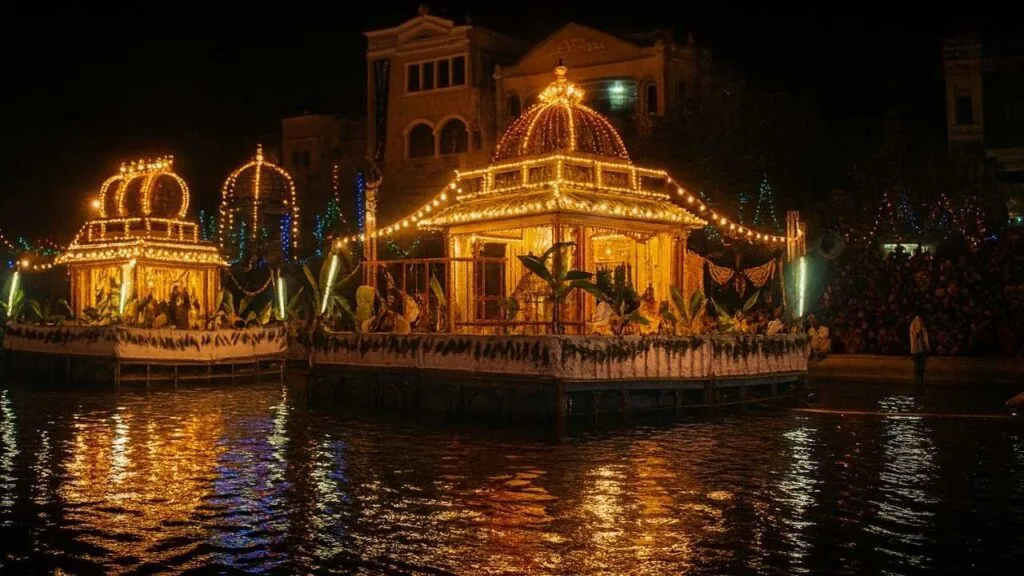
Srikalahasti Naga Pratishta is one of South India’s most powerful Sarpa Dosha remedies. This guide covers ritual procedure, cost, timings and expert tips.
Srikalahasti Naga Pratishta is one of the most sought-after serpent consecration rituals in South India. Specifically, the Srikalahasteeswara Swamy Temple draws hundreds of thousands of devotees each year for this single ceremony. Whether your horoscope carries Kala Sarpa Dosha, your family line has long been affected by Naga Dosha, or you seek the grace of serpent deities, this ancient Shiva kshetra offers ritual depth that few temples can match. Accordingly, this guide covers the full procedure, current seva fees, timings, booking process, and every practical detail you need before you arrive.
Quick Summary: Srikalahasti Naga Pratishta at a Glance
Here is everything essential about Srikalahasti Naga Pratishta condensed for quick reference before you read the full details below.
- What it is: Ritual consecration of serpent (Naga) idols to neutralise Sarpa Dosha and Naga Dosha
- Best day: Naga Panchami, any Shravan Monday, or your personal birth nakshatra day
- Approximate fees: ₹500 to ₹5,000+ depending on the type of seva chosen
- Seva timing: Morning session — most Naga seva slots fall between 7:00 AM and 11:00 AM
- Location: Srikalahasti, Tirupati District, Andhra Pradesh — 36 km from Tirupati city
- Booking: Walk-in on regular weekdays; advance booking essential for Naga Panchami and Shravan Mondays
What Is Srikalahasti Naga Pratishta and Why Do Devotees Seek It?
Naga Pratishta means the ritual installation and consecration of serpent idols. In Vedic tradition, Naga deities are revered as divine guardians associated with both Lord Shiva and Lord Vishnu. Srikalahasti Naga Pratishta specifically refers to this ceremony performed at the Srikalahasteeswara Swamy Temple — a venue where the ritual’s spiritual weight is regarded as exceptionally high by priests and pilgrims alike.
Devotees seek this ritual for several documented reasons. First, it is an act of atonement for ancestral or personal sins involving harm to snakes — a serious transgression in Hindu belief that can carry karmic consequences across generations. Second, it is performed as a remedy for Sarpa Dosha and Naga Dosha, which astrologers link to obstacles in marriage, persistent health challenges, and difficulties in conceiving children.
Furthermore, the consecrated Naga idols involved in this ceremony are not symbolic objects alone. Priests perform Abhisheka, Archana, and Visarjana — the final immersion of idols in the sacred Swarnamukhi River — following precise Vedic protocols maintained unbroken at this temple for over a millennium. Interestingly, the ritual carries added cosmic weight here because Srikalahasti is one of the five Pancha Bhuta Stalas. The Shiva linga at this temple represents Vayu (air), giving the entire kshetra a unique elemental potency that amplifies every ceremony performed within its complex.
Why Srikalahasti Is the Most Powerful Place for Naga Pratishta
Not every temple where Naga rituals are offered carries equal spiritual authority. Srikalahasti stands apart for three specific reasons that visiting astrologers and ritual specialists consistently cite.
First, the Srikalahasteeswara Swamy Temple houses dedicated shrines to both Rahu and Ketu within its main complex. In Vedic astrology, Rahu and Ketu are the head and tail of a cosmic serpent — making this temple cosmologically aligned with serpent energy in a way that generic Shiva temples simply are not. Second, the Swarnamukhi River flowing alongside the complex is considered sacred. Immersing consecrated Naga idols in the Swarnamukhi is ritually complete in a way that dry-land immersion cannot replicate.
Third, the archakas (hereditary temple priests) at Srikalahasti train specifically in Naga rituals and Rahu-Ketu sevas. Moreover, their lineage follows traditional protocols unchanged for centuries. Priests from other towns frequently refer afflicted families to Srikalahasti for Naga Pratishta — not out of modesty, but because the specialisation here is genuine and deep. Consequently, the temple has cultivated an authority in serpent worship that very few locations in South India can credibly claim.
Types of Naga Pratishta Sevas at Srikalahasti Temple
Srikalahasti Naga Pratishta is not a single one-size-fits-all ritual. The temple offers multiple seva tiers, each addressing a specific dosha type or astrological need. Understanding your options before arriving helps you choose the right seva and plan the correct budget.
Basic Naga Pratishta: A single-pair serpent idol consecration covering general Sarpa Dosha and Naga Dosha. The ceremony runs approximately 45–60 minutes and concludes with idol immersion in the Swarnamukhi River. This is the right entry point for most first-time visitors.
Ashta Naga Pratishta: A more elaborate version involving eight serpent idols — each representing one of the Ashta Nagas named in Hindu scripture. Additionally, this seva is recommended specifically for severe Kala Sarpa Dosha or multi-generational family curses. It takes 2–3 hours and requires prior booking.
Naga Homa: A fire ritual combining offerings to the serpent deity with Vedic chants recited throughout. Priests here recommend this when health or fertility issues are attributed to Naga Dosha. Similarly, the Homa is often combined with Ashta Naga Pratishta for families where multiple horoscopes show affliction. Naga Mangala Puja is a fourth option targeting marriage-related Naga Dosha specifically — widely sought by families where a child’s marriage has been inexplicably delayed.
Step-by-Step Procedure for Srikalahasti Naga Pratishta
Performing Srikalahasti Naga Pratishta follows a structured sequence. Knowing each step in advance reduces confusion on the day and helps you arrive fully prepared.
- Book your seva slot. Visit the Seva Booking Counter inside the temple premises or use the official portal at aptemples.ap.gov.in. Bring your name, gotra, and birth nakshatra — priests use these to customise ritual invocations to your horoscope.
- Purchase Naga idols. The temple premises and licensed shops near the entrance sell consecrated Naga idols in brass or silver. Basic brass pairs cost approximately ₹200–₹500. Silver idols vary by weight and finish.
- Dress appropriately before entering. Men should wear a dhoti or panche. Women should wear a saree or salwar kameez. Traditional attire is strongly preferred inside the sanctum — the management discourages casual western wear.
- Attend the ritual at your assigned time. The priest begins with Ganesh Puja, followed by Naga Avahana (invocation of the serpent deity), Abhisheka with milk, curd, honey, and panchamrit, then Alankara (floral and turmeric decoration), and finally Archana with 108 names.
- Receive prasadam. After the ceremony, priests distribute vibhuti (sacred ash), kumkum, and a protection thread (raksha). Accept these with both hands as a mark of respect.
- Perform Visarjana at the Swarnamukhi River. Temple staff guide devotees to the designated river ghat for final immersion. The entire ceremony from arrival to immersion takes one to two hours depending on the seva type.
Notably, many priests at Srikalahasti recommend returning for the ritual on three consecutive Mondays. This repeated cycle is considered far more potent than a single visit for long-standing Naga Dosha cases.
Srikalahasti Naga Pratishta Timings and Booking Details
The Srikalahasteeswara Swamy Temple opens at approximately 5:00 AM daily. Morning sevas run from around 6:00 AM to 12:30 PM, and evening sevas resume from approximately 3:00 PM to 8:30 PM. However, the Naga Pratishta seva runs exclusively during the morning session — most allocated slots fall between 7:00 AM and 11:00 AM. Verify the latest timings at the official website before travel, as the Endowments Department revises schedules during festival periods.
How to Book Your Srikalahasti Naga Pratishta Seva
Walk-in bookings at the Seva Booking Counter work well on regular weekdays. Arrive by 6:00 AM to secure a morning slot before they fill. Nevertheless, for festival days and Shravan Mondays, walk-in slots are typically exhausted within the first hour.
Online bookings are available through the Andhra Pradesh Endowments Department portal at aptemples.ap.gov.in, which lists approved sevas for affiliated temples. For Naga Panchami and Maha Shivaratri, book 2–4 weeks in advance — these dates fill up rapidly. For general enquiries, the temple office can be reached at 08578-222240 (verify this number at the official website as contact details may be updated).
Therefore, the ideal strategy for most devotees is a regular weekday visit with walk-in booking, combined with an early 5:30 AM arrival at the temple.
Naga Pratishta Cost and Seva Fees at Srikalahasti
Seva fees at Srikalahasti are regulated by the Andhra Pradesh Endowments Department. The table below reflects approximate fees as reported by devotees in 2026. Verify the latest rates at the temple counter or official website before visiting, as fees are revised periodically.
| Seva Type | Approximate Fee | Duration |
|---|---|---|
| Basic Naga Pratishta | ₹500 – ₹1,000 | 45–60 minutes |
| Ashta Naga Pratishta | ₹3,000 – ₹5,000 | 2–3 hours |
| Naga Homa (Fire Ritual) | ₹2,500 – ₹4,000 | 2–3 hours |
| Rahu Ketu Puja | ₹500 – ₹5,000 | 1–1.5 hours |
| Kala Sarpa Nivarana Puja | ₹1,500 – ₹2,500 | 1.5–2 hours |
Moreover, additional expenses include Naga idol purchase (₹200–₹1,500 depending on material), voluntary harathi offerings, and milk for Abhisheka. For a basic single-seva visit, budget approximately ₹1,500–₹2,500 including all incidentals. An elaborate multi-seva pilgrimage — Ashta Naga Pratishta combined with Naga Homa — can cost ₹8,000–₹12,000 in total.
Certainly, the Ashta Naga Pratishta plus Naga Homa combination is the most thorough option for severe Kala Sarpa Dosha. Visiting priests from across Andhra Pradesh consistently recommend this pairing when multiple members of the same family carry afflicted horoscopes.
Kala Sarpa Dosha Nivarana Through Srikalahasti Naga Pratishta
Kala Sarpa Dosha occurs when all seven main planets in a natal horoscope are positioned between Rahu and Ketu. Vedic astrologers link this configuration to recurring setbacks in career, delayed marriage, financial instability, and health challenges that appear without clear medical explanation. Srikalahasti Naga Pratishta is among the top recommended remedies for this dosha across South Indian astrology — cited by practitioners in Andhra Pradesh, Telangana, Tamil Nadu, and Karnataka alike.
However, it is worth being clear about what the ritual is and what it is not. Traditional interpretation holds that Naga Pratishta neutralises negative karmic patterns by invoking serpent deity energy and seeking divine pardon. It is a spiritual act of surrender — not a transactional guarantee of specific life outcomes. That said, millions of families report meaningful relief after the ritual, and the tradition of seeking this remedy at Srikalahasti dates back well before modern astrology frameworks codified it.
For devotees with confirmed Kala Sarpa Dosha, temple priests typically recommend pairing the Naga Pratishta with the Rahu-Ketu Puja at the dedicated Rahu-Ketu shrine inside the main complex. Performing both in the same visit addresses the serpent curse through two distinct ritual pathways — consecration of physical idols and propitiation of the planetary deities directly.
How to Reach Srikalahasti Temple
Pilgrims travelling for Srikalahasti Naga Pratishta most often approach from Tirupati or Chennai. The temple is located in Srikalahasti town, Tirupati District, Andhra Pradesh — approximately 36 km from Tirupati city and about 100 km from Chennai via National Highway 716.
By Train
Srikalahasti Railway Station sits on the Gudur–Tirupati branch line of South Central Railway. Several passenger and express trains connect it to Chennai, Tirupati, Nellore, and Gudur. The station is approximately 2 km from the main temple — auto-rickshaws and prepaid taxis are available just outside the station entrance at all hours.
By Road
APSRTC runs frequent bus services from Tirupati Central Bus Stand to Srikalahasti. The journey takes approximately 45–60 minutes. Additionally, private cabs from Tirupati cost approximately ₹800–₹1,200 per trip depending on the vehicle type. Shared auto-rickshaws operate this corridor as well for budget-conscious pilgrims.
By Air
Tirupati Airport (IATA: TIR) is the nearest airport, roughly 36 km from Srikalahasti. Direct flights connect Tirupati to Hyderabad, Bengaluru, Chennai, and select metros. From the airport, taxis take you to Srikalahasti in about 50–60 minutes. Therefore, air travellers can arrive in the afternoon, rest overnight in Tirupati, and reach Srikalahasti by 5:30 AM the following morning for seva.
Where to Stay Near Srikalahasti Temple
Several accommodation options serve pilgrims visiting for Srikalahasti Naga Pratishta. The AP Endowments Department operates choultries (subsidised rest houses) near the temple complex for devotees — these fill quickly on weekends and festival days, so arrive early or enquire through the endowments portal in advance.
Budget lodges in Srikalahasti town charge approximately ₹500–₹1,200 per night for non-AC rooms. Mid-range hotels with air conditioning are available for ₹1,200–₹2,500. Alternatively, many pilgrims prefer to stay in Tirupati — where hotel options range from budget dharmasalas to 3-star properties — and treat Srikalahasti as a full-day excursion. For a single-seva visit, this day-trip approach is practical and affordable.
Nevertheless, staying overnight in Srikalahasti holds one clear advantage. You can attend dawn Abhisheka and complete multiple sevas before most day-trippers arrive. For a serious pilgrimage combining three or more sevas across two or three consecutive Mondays, the overnight option is simply more sustainable.
Best Time to Perform Srikalahasti Naga Pratishta
The most auspicious time for Srikalahasti Naga Pratishta is Naga Panchami — the fifth lunar day of the Shravan month, falling typically in July or August. The entire Shravan month is spiritually charged at this temple, with every Monday in the month drawing large crowds of devotees seeking Naga and Rahu-Ketu sevas. Maha Shivaratri is another peak occasion — profoundly significant, but expect queues that stretch for several hours.
For a focused, unhurried ritual experience, any regular Monday or Tuesday between October and February is ideal. The weather is cooler, queues move faster, and priests complete sevas with full attention. Furthermore, if your birth nakshatra falls in that window, aligning your visit with that specific day is something most priests recommend above all other timing considerations.
Insider Tips for a Successful Visit
- Carry a printed or digital copy of your horoscope — priests ask for your nakshatra and gotra to customise the ritual invocations
- Bring separate cash for idol purchase, harathi, and prasadam — UPI is not universally accepted at every counter inside the temple complex
- Perform Naga Pratishta first, then Rahu-Ketu Puja — priests recommend this sequencing for astrological completeness when both are done in a single visit
- Return on three consecutive Mondays for the full traditional ritual cycle, particularly for long-standing Kala Sarpa Dosha cases
- Arrive before 6:00 AM even on regular weekdays — popular seva counters open early and the calmest hours are before 8:00 AM
The Bottom Line
Srikalahasti Naga Pratishta remains one of the most ritually authentic and spiritually grounded serpent consecration ceremonies available anywhere in India. The temple’s dedicated Rahu-Ketu shrines, the sacred Swarnamukhi River, and its millennium-long tradition of Naga worship create a ritual environment that most other temples simply cannot replicate. Whether your need is relief from Kala Sarpa Dosha, Naga Dosha affecting family welfare, or a personal act of devotion to the serpent deities, this kshetra delivers a ceremony that is both ceremonially complete and deeply meaningful.
Plan your visit on a quiet weekday, book your seva slot in advance, arrive by 6:00 AM, and wear traditional attire. For severe or multi-generational Naga Dosha, the Ashta Naga Pratishta combined with Naga Homa is the most comprehensive option available. Before you travel, check the latest timings and confirmed fees at the official portal: aptemples.ap.gov.in.
Frequently Asked Questions About Srikalahasti Naga Pratishta
What is the best day to perform Naga Pratishta at Srikalahasti?
Naga Panchami, Shravan Mondays, and your personal birth nakshatra day are the most auspicious dates. For a calm, uncrowded experience, any Monday between October and February works well — queues are shorter and priests have more time per devotee.
Does Srikalahasti Naga Pratishta require advance booking?
Walk-in bookings are available at the temple counter on regular weekdays. For Naga Panchami, Maha Shivaratri, or Shravan Mondays, advance booking through aptemples.ap.gov.in is strongly recommended — seva slots fill up 2–4 weeks before these dates.
How long does the Naga Pratishta ritual take at Srikalahasti?
A basic Naga Pratishta takes 45 minutes to one hour including idol immersion. The Ashta Naga Pratishta with Naga Homa can take 2–3 hours. Factor in additional time for darshan of the main deity afterwards, especially if you plan to combine multiple sevas.
Can unmarried individuals or women perform Naga Pratishta at Srikalahasti?
Yes, absolutely. Both unmarried individuals and women regularly perform this ritual — particularly when Naga Dosha is linked to delayed marriage or fertility concerns. There are no gender-based restrictions for this seva. Families, couples, and individuals all participate.
What is the difference between Naga Pratishta and Rahu Ketu Puja at Srikalahasti?
Rahu Ketu Puja is performed at the temple’s dedicated Rahu-Ketu shrine and addresses the astrological influence of the shadow planets. Naga Pratishta involves consecrating physical serpent idols and immersing them in the Swarnamukhi River. Both address serpent-related afflictions through different ritual pathways — many devotees perform both in a single visit for comprehensive coverage.
Is there a dress code for Srikalahasti Naga Pratishta?
Traditional attire is strongly preferred. Men should wear a dhoti or panche; women should wear a saree or salwar kameez. The temple management actively discourages shorts, sleeveless tops, and casual western wear inside the sanctum area. Cloth dhotis are available for hire near the entrance for a small fee if needed.

Independent pilgrim guide for Sri Kalahasti Temple. Curating darshan timings, Rahu Ketu Pooja booking, sevas, accommodation, Vayu Lingam significance, and complete travel guidance for devotees visiting the temple.
